
One article a day, three levels your way.
Free graded English reading: every article comes in Easy, Medium and Hard, with listen-along audio. Vocabulary and quizzes are free with an account. Sign up free →
Longer sentences, more descriptive words (about B1)
What to Look for in the October Night Sky
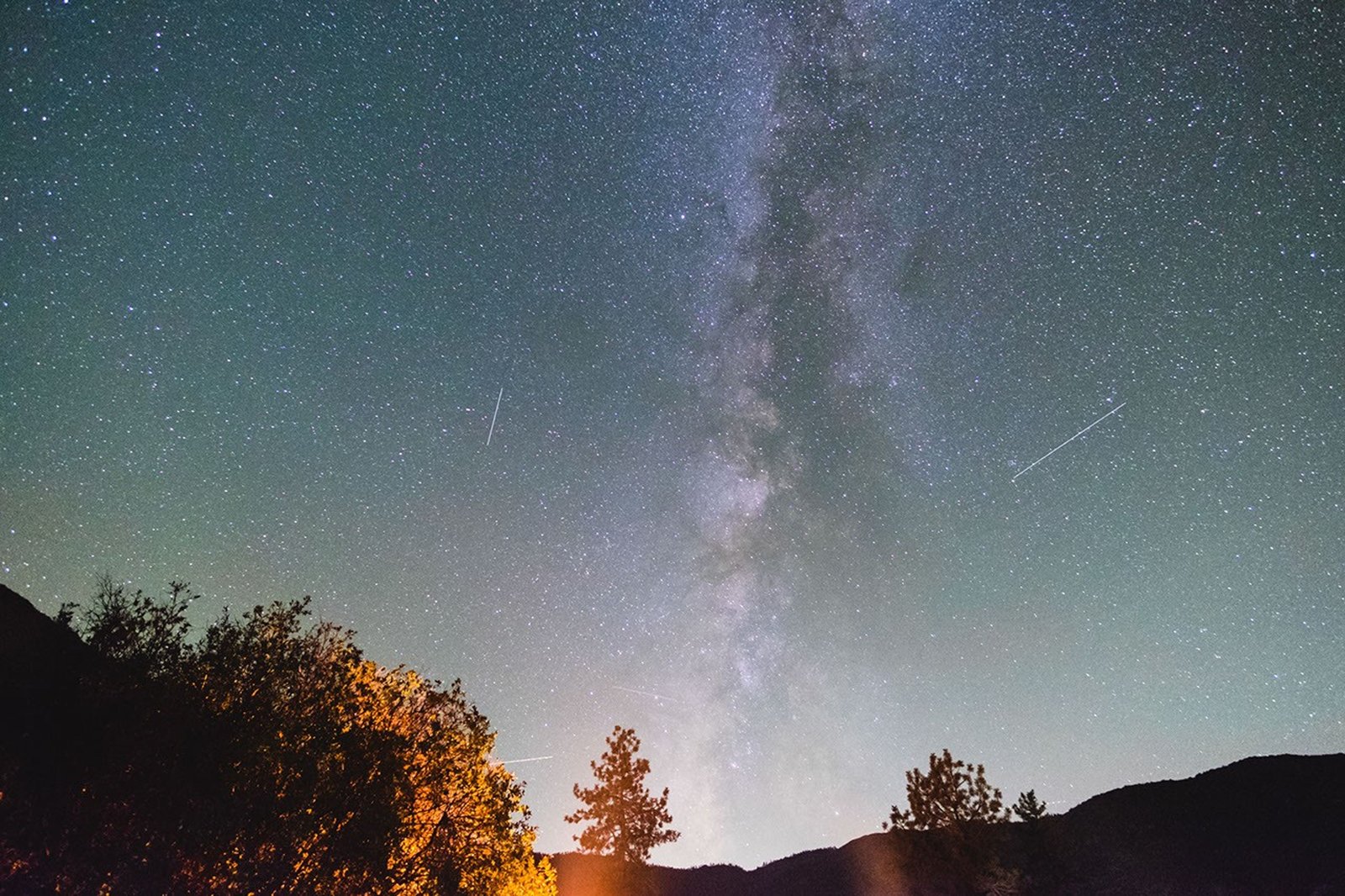
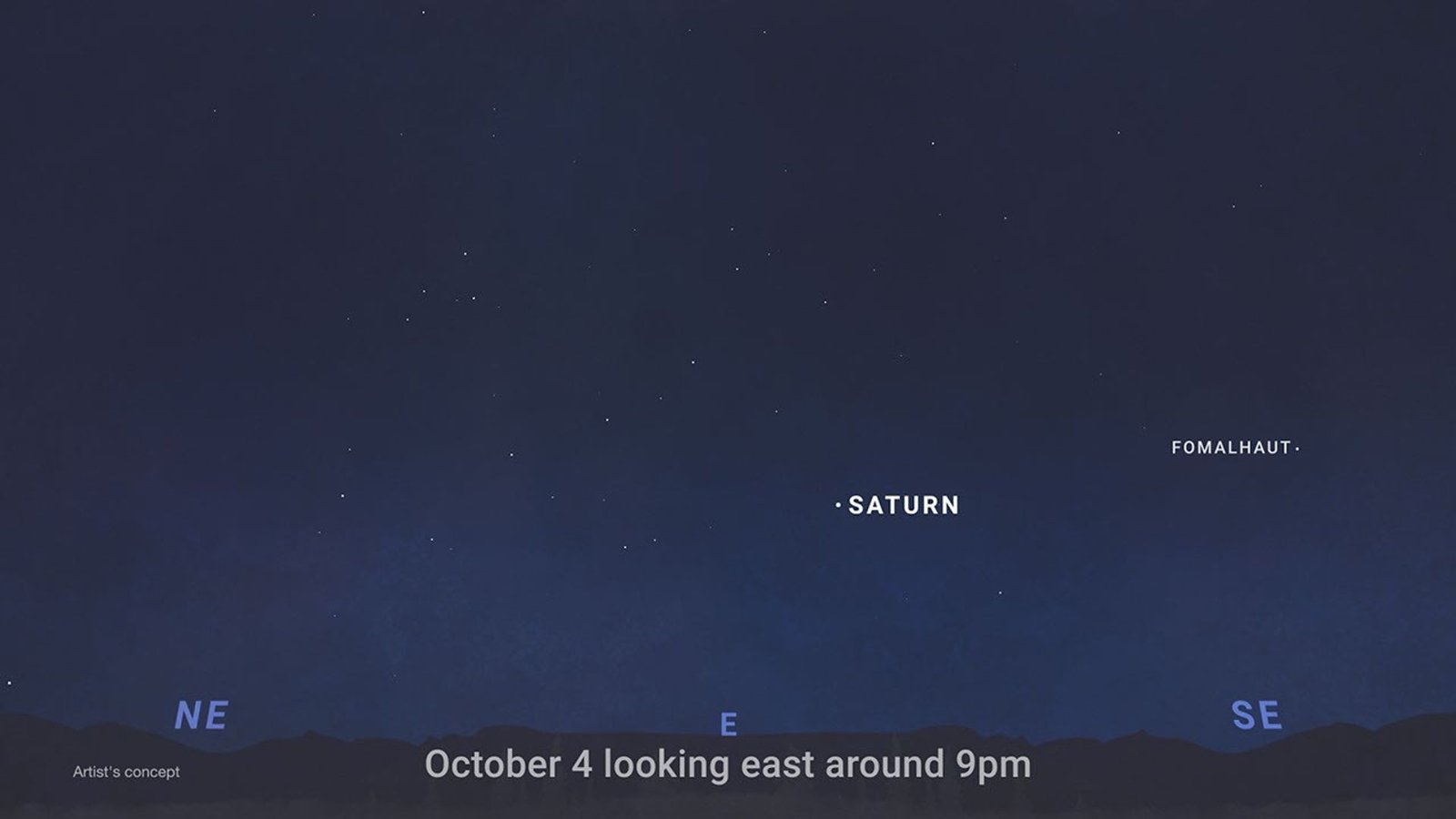
October offers several interesting sights for people who enjoy watching the night sky. On October 4, Saturn reaches opposition, one of the better times this year to observe the ringed planet. Opposition takes place when Earth passes between the Sun and Saturn, so the planet sits opposite the Sun. As a result, Saturn rises around sunset and can be seen for a large part of the night. Scientists have long known about a six-sided jet stream that extends almost 20,000 miles over Saturn's north pole. Last month, NASA's Hubble Space Telescope revealed a ten-sided wave around the south pole. This feature in the southern atmosphere seems to be growing stronger. It gives scientists a rare chance to watch a major pattern as it forms.
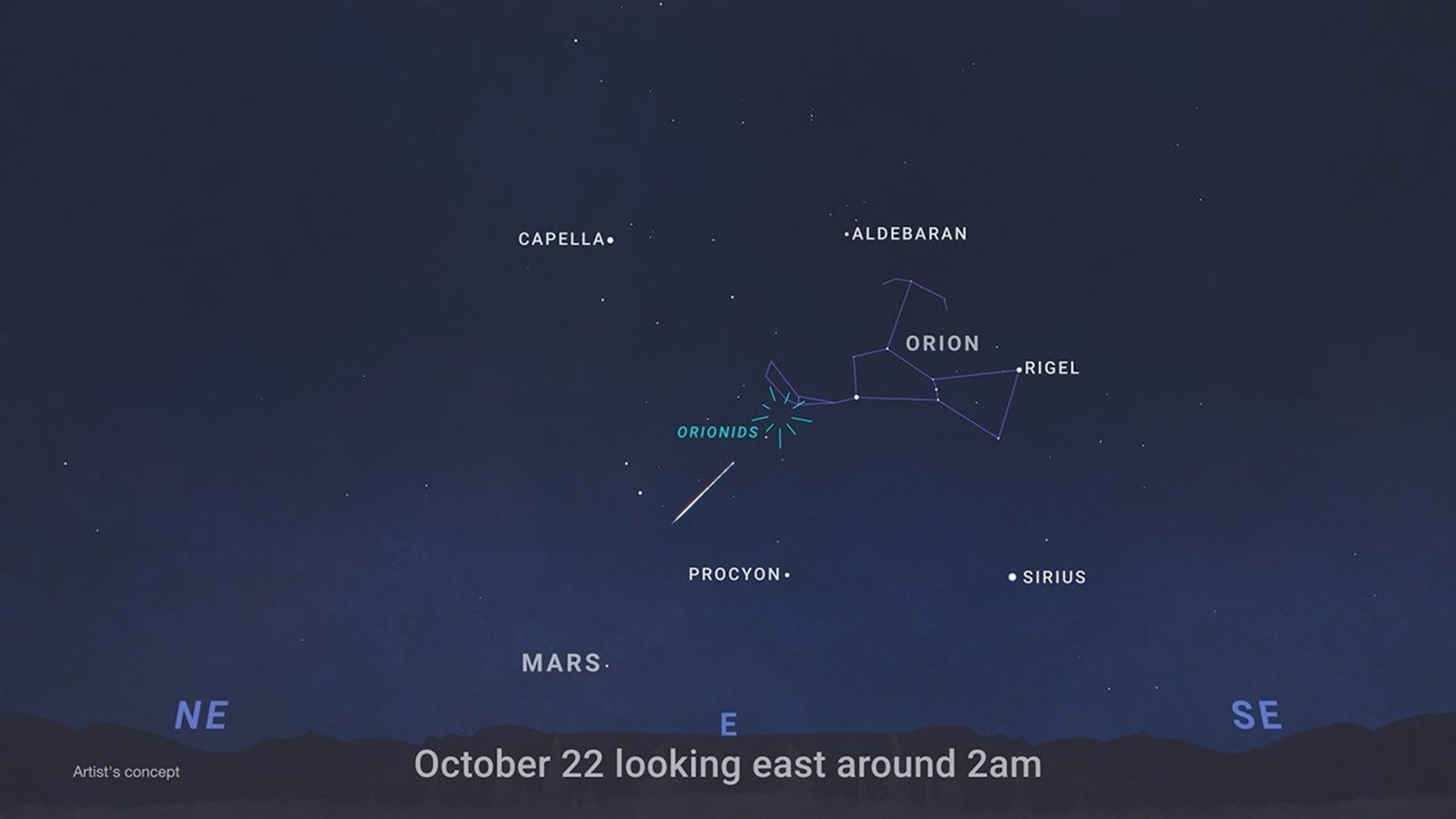
The Orionid meteor shower reaches its peak on the night of October 21 and the morning of October 22. The shower is produced by tiny bits of material that Halley's Comet left in its path. Meteors appear to stream from the direction of Orion, yet they may cross any part of the sky. A bright Moon is likely to hide some of the dimmer meteors. Viewing may be better in the final hours before dawn, after the Moon has set. A dark place helps, and your eyes need time to adjust before you look up.
Before sunrise on October 6, a thin crescent Moon appears close to bright Jupiter. From the night of October 27 into October 28, the Moon travels near the Pleiades. This cluster is also called the Seven Sisters. Stories about the group appear in many ancient cultures, partly because it can be seen from almost all places on Earth. In the evening, face east as the Moon and the cluster rise together. The Pleiades form a slightly blurred group of six or seven stars. They are visible without instruments, though binoculars or a telescope show more of their structure.
Which October sky event would you most like to watch, and why?
Adapted from NASA Solar System.
Select Vocabulary or Quiz to practice.
Vocabulary
12 key words — tap a word for its meaning and an example
Quiz
10 questions