
One article a day, three levels your way.
Free graded English reading: every article comes in Easy, Medium and Hard, with listen-along audio. Vocabulary and quizzes are free with an account. Sign up free →
Longer sentences, more descriptive words (about B1)
NASA Data Helps Companies Plan to Use Resources on the Moon
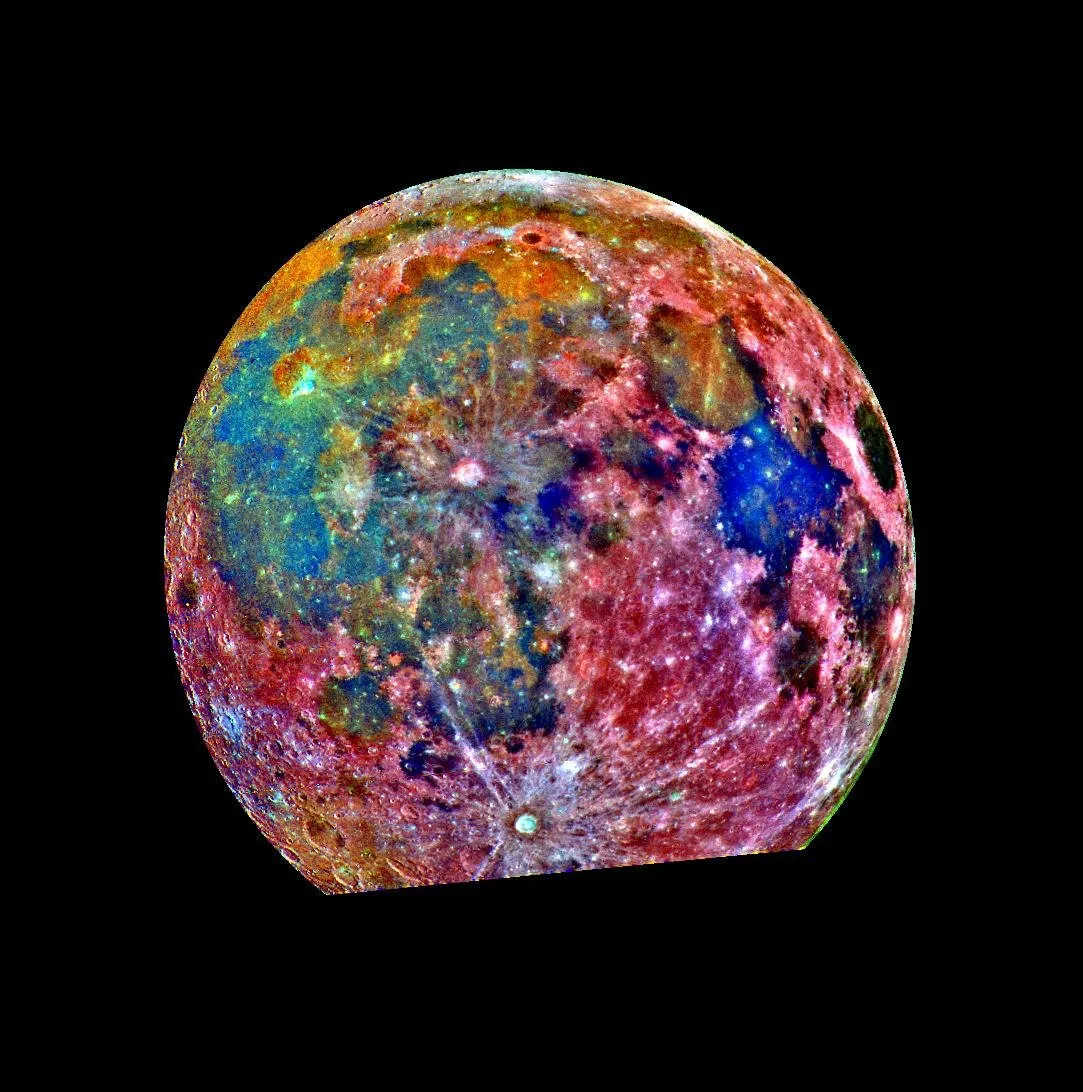
The Moon has useful stores of water and metals, including iron and titanium. Taking those materials out of the ground will demand special equipment. Landing places and collection methods will follow from where the stores sit. Lunar Station, a company in Cambridge, Massachusetts, puts NASA records into computer models to support that planning.
Blair DeWitt is the chief executive of Lunar Station. He said 60 years of Moon observations let the firm describe conditions at a client's chosen site. Combining readings from different NASA instruments and other agencies is an early requirement. To map the ground, the team used Ames Stereo Pipeline, a free NASA software package. The software uses pictures from orbiters, rovers, older cameras, and other sources. It then builds three-dimensional scenes that show how rocks sit and how the land rises and falls.
Gerry Sanders of NASA's Johnson Space Center in Houston said usable water at any particular spot remains poorly known. In 2009, the Lunar Crater Observation and Sensing Satellite struck the southern polar region. Study of the debris cloud confirmed ice. The firm now uses that finding and further data when it helps private operators plan trips and collection work. MoonHacker, its internal program, pairs a private mapping system with advanced computer methods. Together they use holdings in the Planetary Data System and search for clues to shallow pits that may hold water.
DeWitt said the same tools can pick landing-pad locations, suggest rover tracks, and advise clients about radio links. Polar ground and the side of the Moon that never faces Earth often lack a direct view of home. As a result, a radio relay must be arranged. He credited NASA records with making part of this service possible. MoonHacker also runs a Radiation Simulator that tests a digital model of a client's rover or spacecraft. Staff expose the model to space particles during travel or after arrival, then judge how much protection is required. The work matches NASA's Technology Transfer goal of taking methods born in space and applying them on Earth. For 50 years such results have been listed in Spinoff, the agency's long-running publication.
Why do companies need maps, ice data, and radiation information before they try to use materials on the Moon?
Adapted from NASA Technology.
Select Vocabulary or Quiz to practice.
Vocabulary
10 key words — tap a word for its meaning and an example
Quiz
9 questions