ReadLevels
Read at your level.
One article a day, three levels your way.
Chasing Fire Clouds in Utah
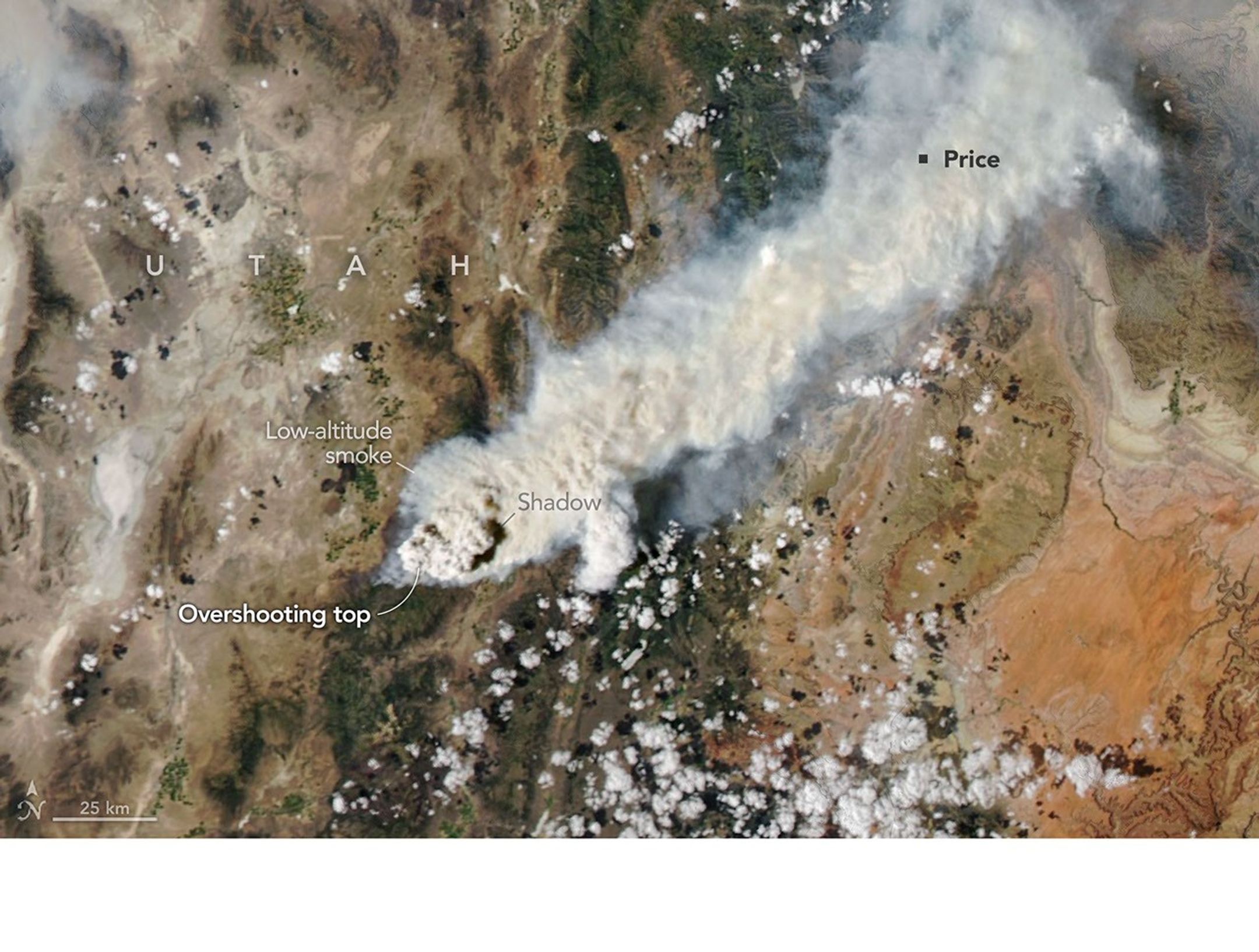
Big wildfires can make special smoke clouds. These are storm clouds made by fire. The fires push a lot of smoke and tiny particles high into the sky. This smoke can travel around the world and stay for years. It may change the air and affect the protective ozone layer.
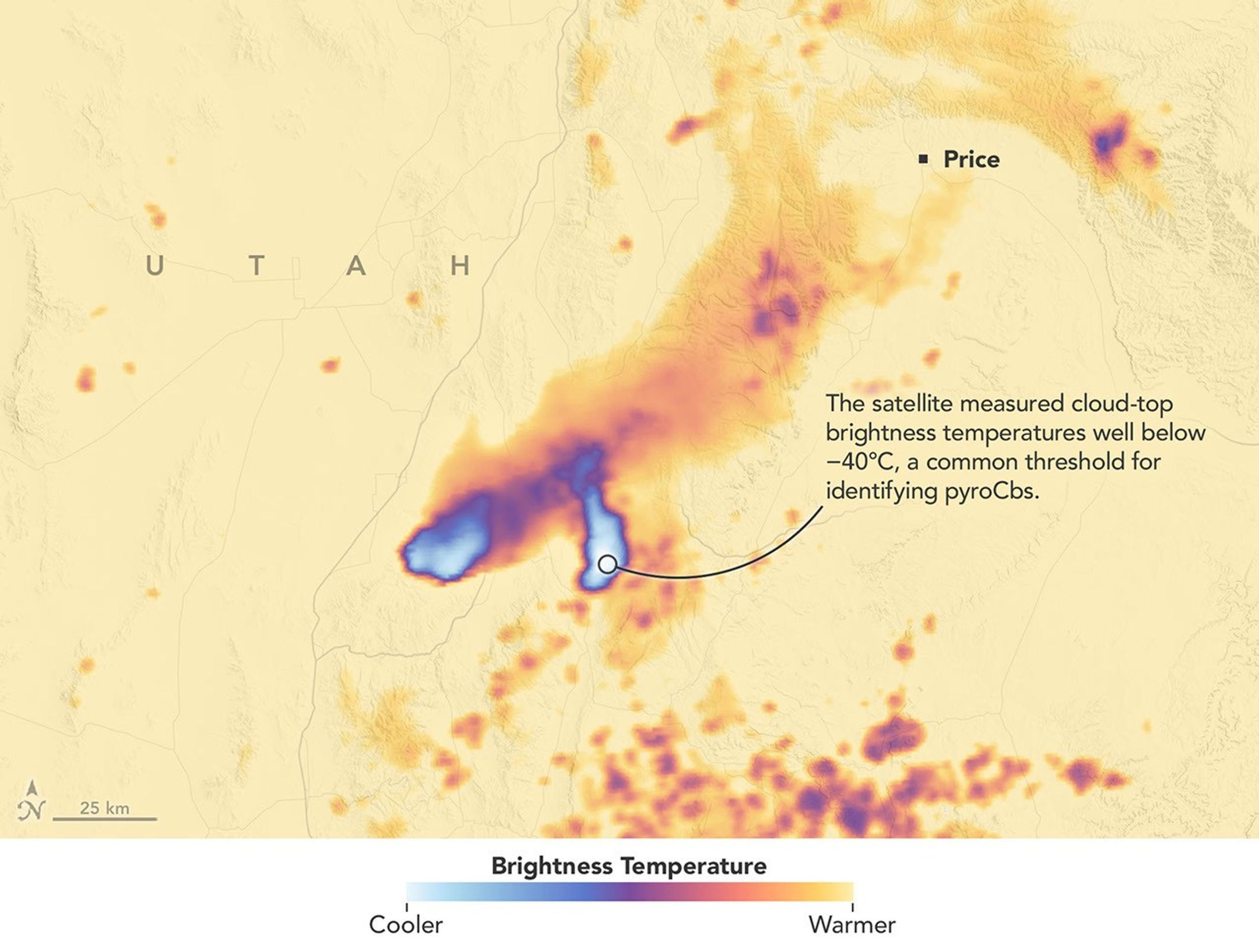
Researchers joined a NASA project called INSPYRE. In the summer of 2026 they used special planes. They studied Utah’s Widemouth 2 wildfire. The fire grew quickly in early August because of strong winds and high temperatures. Satellite data showed temperatures below - 40 degrees. This meant the smoke reached the upper atmosphere. Planes collected air samples at about 12 kilometers high. These samples gave data that weather models miss.
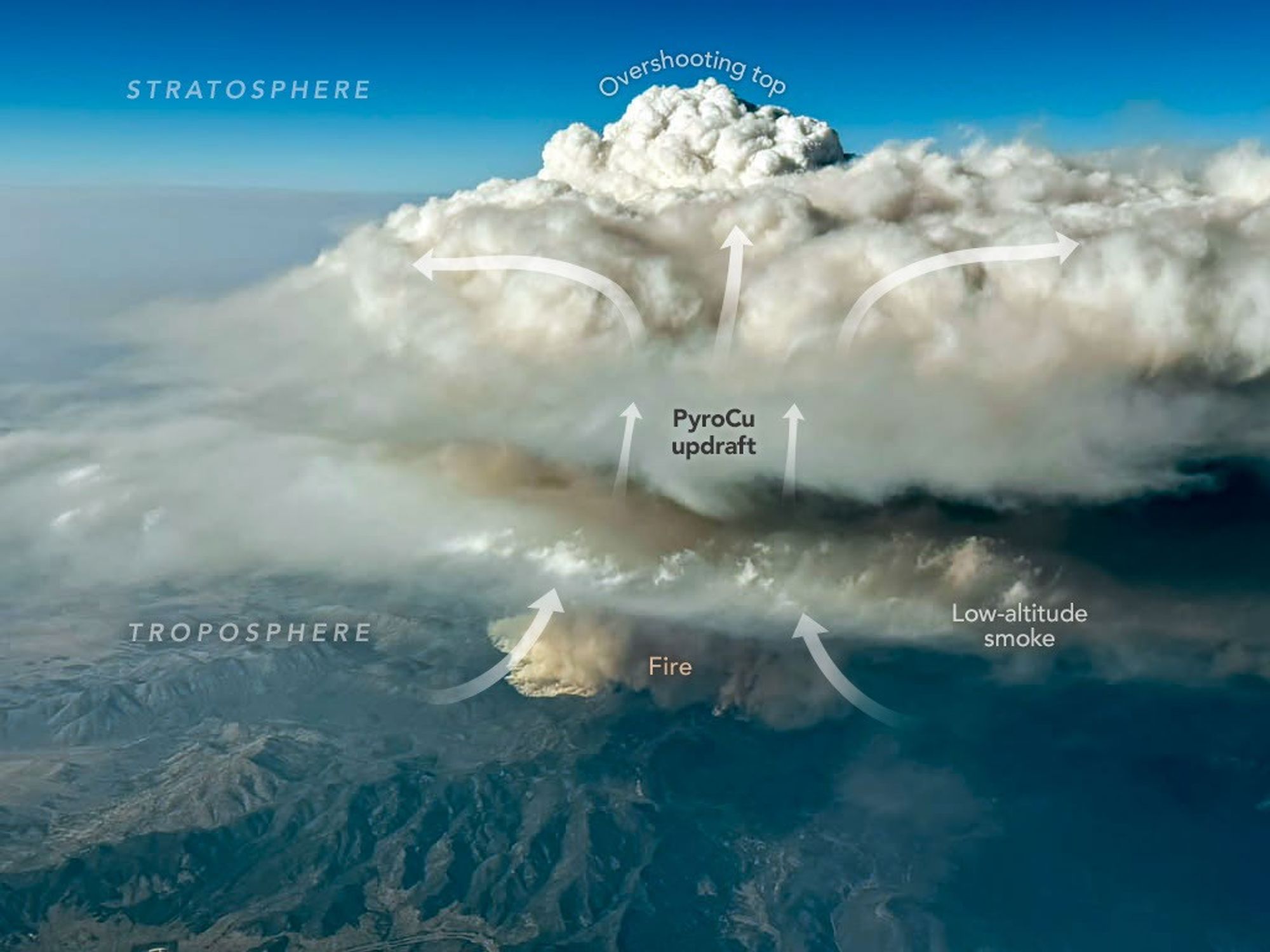
Wildfires create dozens of these special clouds each year. Most happen in forests of Canada and Russia. Others happen in grasslands of Australia and the United States. The fires add black carbon, a type of tiny black particle, to the upper atmosphere. Researchers hope the samples will answer questions. They want to learn how different plants feed these events. They also want better models to predict the dangers.
Why do you think these special smoke clouds are important?
Adapted from NASA Earth Observatory.
Select Vocabulary or Comprehension to practice.
Vocabulary
6 key words — tap a word for meaning and examples
Comprehension
6 questions