ReadLevels
Read at your level.
One article a day, three levels your way.
What Is a Barrier Island?
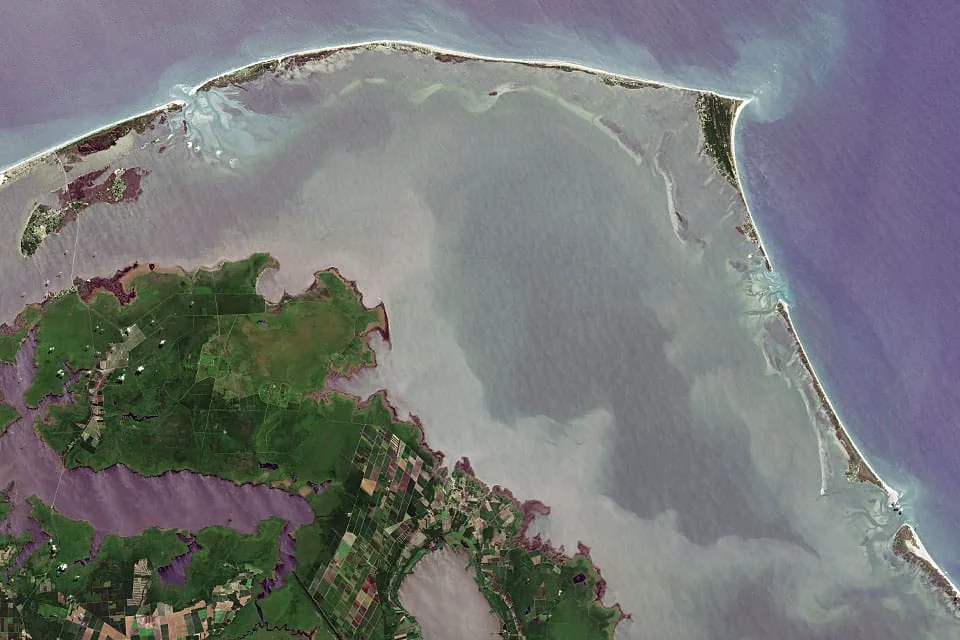
A barrier island is a long sand island near the coast. Ocean waves build it from sand and small stones. Wind and weather change the island all the time. It may move, grow, lose land, or even disappear.
These islands usually sit next to the mainland. Water often lies between the island and the land. The ocean side has beaches and sand hills. The land side has wet areas and trees. Sea turtles, fish, and birds live there. Barrier islands often form on flat coasts near rivers. They line the east coast of the United States and the Gulf Coast. The west coast does not have these islands. That land is steep and rocky, and the ground moves more.
Barrier islands also protect towns from big storms. Sand hills and grass take the power of the waves. This means less flood water reaches the shore. But the islands are losing land very quickly. People stop sand from moving with boats, walls, and dams. Climate change makes the sea higher and storms stronger. This also takes land away. A U.S. group called NOAA helps repair the islands with nature. Projects in the Gulf of Mexico have repaired many islands and wet lands.
Why are barrier islands important for people and animals?
Adapted from NOAA Ocean Facts.
Select Vocabulary or Comprehension to practice.
Vocabulary
6 key words — tap a word for meaning and examples
Comprehension
6 questions