
One article a day, three levels your way.
Free graded English reading: every article comes in Easy, Medium and Hard, with listen-along audio. Vocabulary and quizzes are free with an account. Sign up free →
Longer sentences, more descriptive words (about B1)
NASA Tests Future Heat Shields with a Cargo Ship's Trash
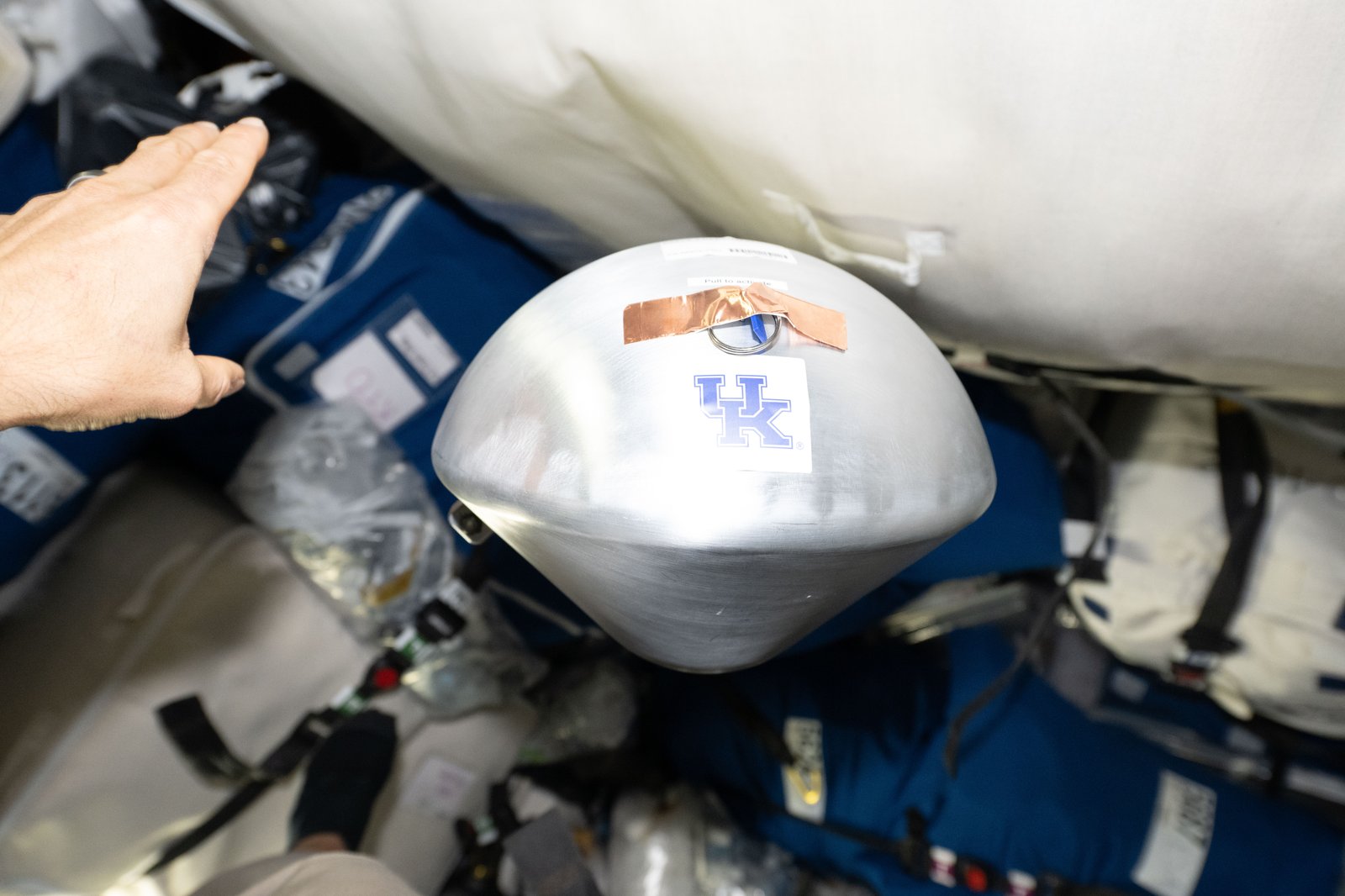
NASA is testing new heat shield materials that could one day protect astronauts returning from the Moon and Mars. The test uses an unusual helper: a cargo spacecraft full of garbage. A cargo ship from Northrop Grumman left the International Space Station carrying 12 small experimental capsules. Each capsule holds materials that might be used in future heat shields, which protect a spacecraft from the extreme heat of re-entry. The project is called the Kentucky Reentry Probe Experiment, or KREPE-3. It is the third in a series of low-cost missions that use the last minutes of a cargo spacecraft's life to collect useful data.
Before the spacecraft left the station, astronauts filled it with waste and switched on the capsules inside. Students at the University of Kentucky designed the capsules, which have sensors for temperature, pressure, motion, magnetic field, and light. The spacecraft is planned to break apart safely in Earth's atmosphere. When this happens, the capsules will be released and begin recording how their materials perform. Satellites will send the data to researchers as it is collected. The results may show how larger heat shields could protect cargo or crews in the future. Keith Peterson, a materials engineer at NASA's Ames Research Center, called this a smart way to get flight data on new materials, because the test rides on a vehicle that is coming back to Earth anyway.
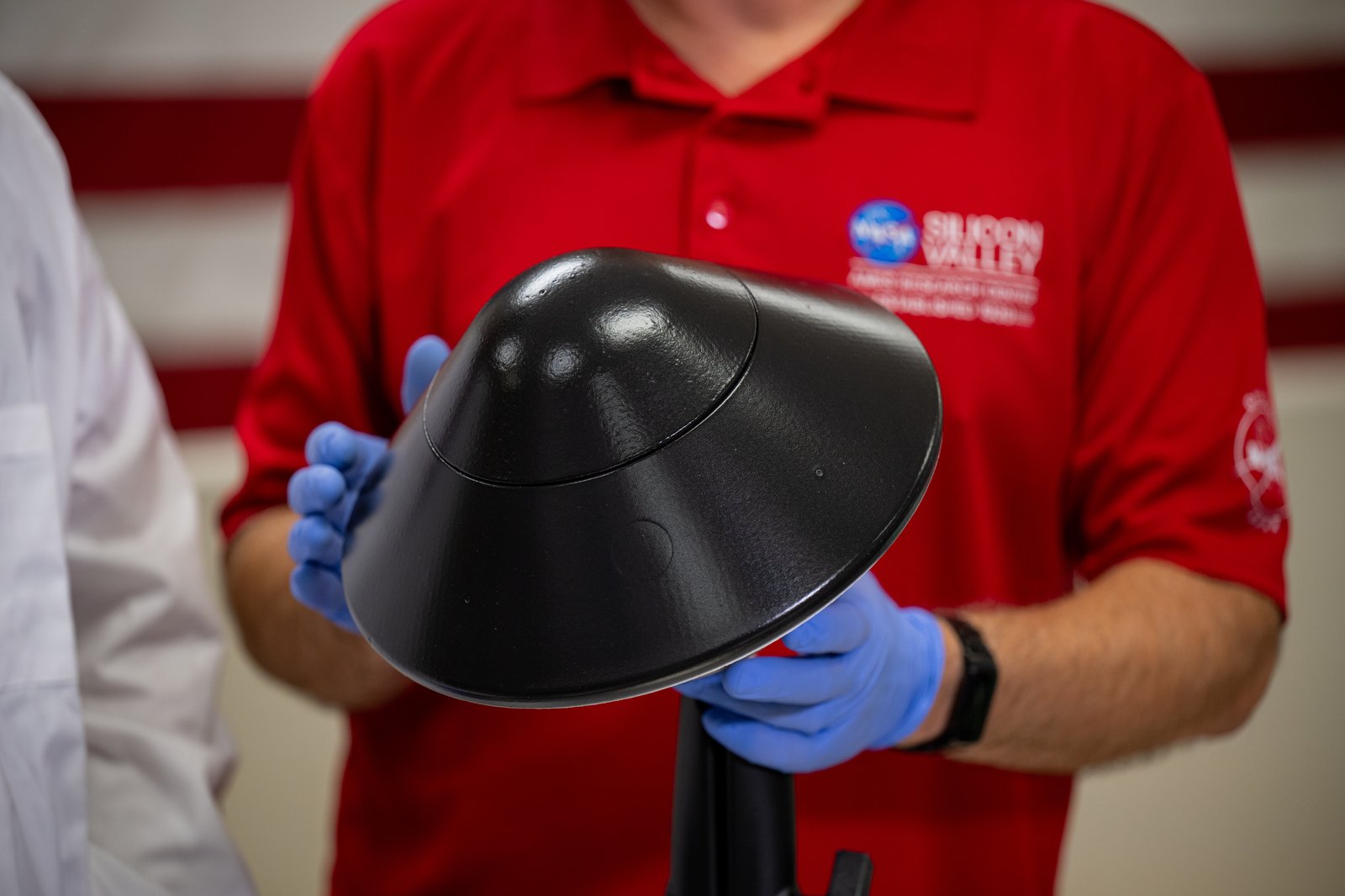
The capsules carry many different kinds of protection. Some use proven technology, such as the ceramic tiles from the space shuttle. Others test new ideas, including a 3D-printed heat shield. Researchers at NASA Ames are supplying a new family of materials called MERINO. These are made of carbon and phenolic fibers stitched in layers, a little like felt. They are more flexible, faster to make, and cheaper than traditional materials, so they look promising for Mars missions. Mars has a thinner atmosphere, so landings there involve less heat and allow lighter protection.
Other capsules test shapes and designs instead of only materials. One has a dual-cone shape and is meant to compare computer models with real-world measurements. Another is shaped like the shield that will protect NASA's Dragonfly mission when it reaches Saturn's moon Titan. A third will try a heat shield shaped like an umbrella, which opens wide to slow the descent. At full size, this design could be folded, so it could carry payloads larger than the rockets that launch them. Partners in the United States and other countries are also testing materials and sensors, including one that measures how heat moves across a surface. Peterson said this work is pushing the limits of what heat shields can do, and that the testing method is fast, affordable, and effective.
Why do you think NASA and the students chose to test heat shield materials on a cargo spacecraft that was already returning to Earth?
Adapted from NASA News Releases.
Select Vocabulary or Quiz to practice.
Vocabulary
12 key words — tap a word for its meaning and an example
Quiz
7 questions