ReadLevels
Read at your level.
One article a day, three levels your way.
What Are Plankton?
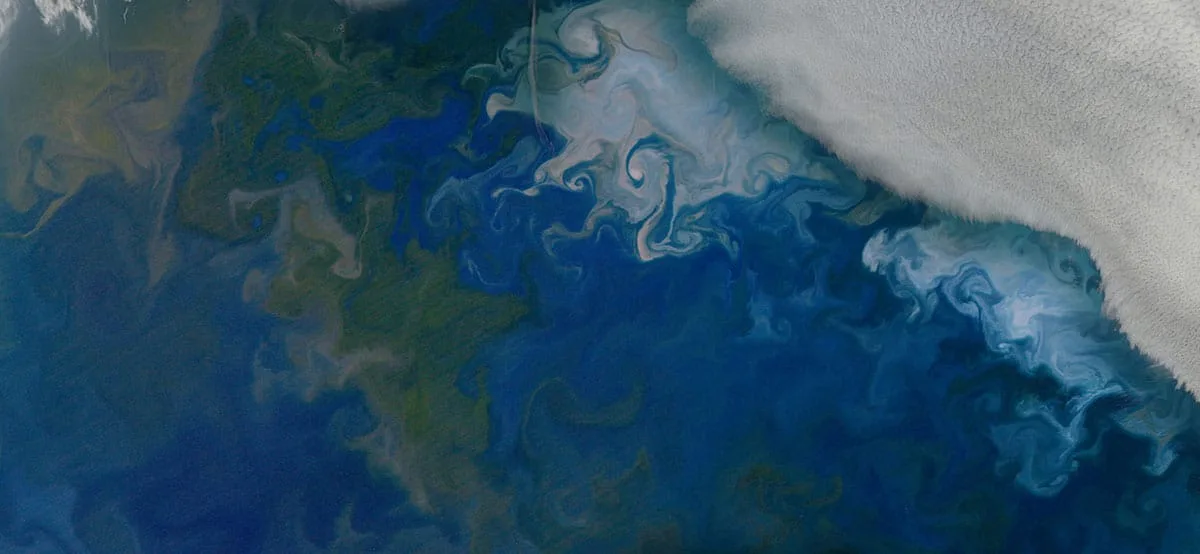
The word plankton comes from Greek words that mean drifter or wanderer. Water carries these living things because they cannot swim against tides and currents. Some plankton stay this way all their lives, but others drift only when they are young. Later they grow large enough to swim against the current. Most plankton are very small, but some are larger animals such as jellyfish.
The two main kinds are phytoplankton, or tiny plants, and zooplankton, or tiny animals. Phytoplankton make food from sunlight in a process called photosynthesis. These tiny plants take in carbon dioxide and give out oxygen. Phytoplankton live near the top of the ocean because they need sunlight. Most zooplankton eat phytoplankton and later become food for larger animals.
During the day, zooplankton usually stay in deeper water to hide from danger. At night they rise to eat phytoplankton near the surface. This is seen as the largest migration on Earth and can be seen from space. Plankton are very important for ocean life and react quickly to changes in heat, salt, and food in the water. Too much food in the water can cause harmful growths such as red tides. Changes in phytoplankton can quickly change zooplankton numbers and then affect other animals. Researchers are studying how climate change affects plankton numbers.
Why are plankton important for animals in the ocean?
Adapted from NOAA Ocean Facts.
Select Vocabulary or Comprehension to practice.
Vocabulary
6 key words — tap a word for meaning and examples
Comprehension
6 questions