
One article a day, three levels your way.
Free graded English reading: every article comes in Easy, Medium and Hard, with listen-along audio. Vocabulary and quizzes are free with an account. Sign up free →
Longer sentences, more descriptive words (about B1)
Robots That Work Beside People in Space
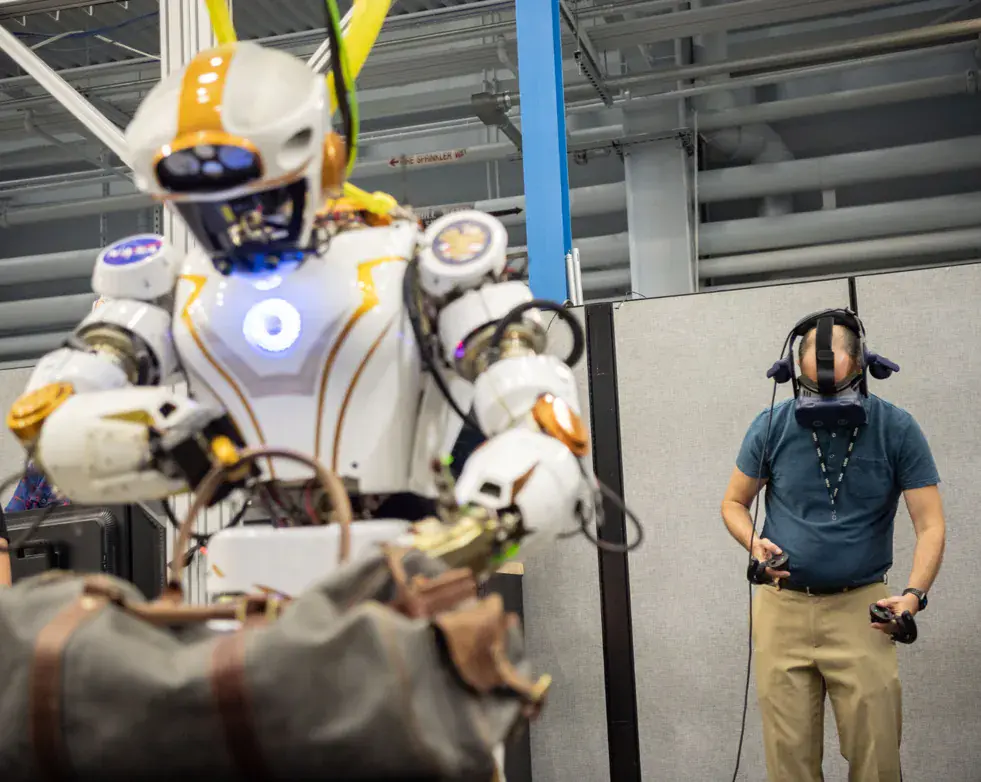
The idea of people and machines working together far from Earth once seemed like pure imagination. Today, that idea is moving closer as NASA prepares more demanding missions farther from the planet. Sophisticated robots are important to crewed spaceflight for a simple reason. They can increase what a crew gets done, lower danger, and broaden what explorers are able to attempt.
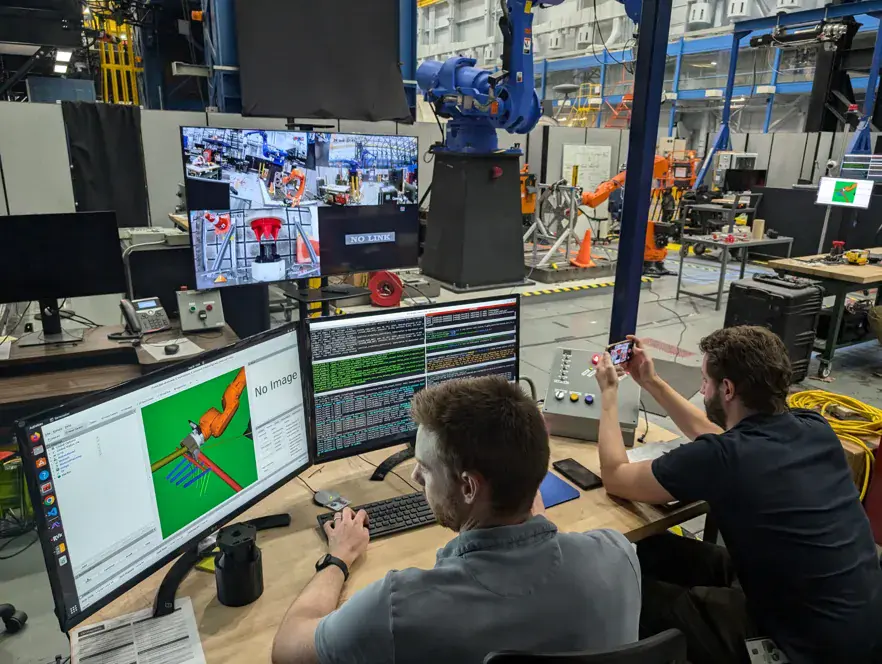
The Dexterous Robotics Team at NASA’s Johnson Space Center in Houston builds hardware and software for these machines. The robots are meant to perform tasks that people normally carry out by hand. Team lead Shaun Azimi said the group does not intend to replace human explorers. Its aim is to improve safety by creating robots that are capable, dependable, and worthy of trust. If more capable machines can be sent, risk can be reduced and people can focus on their best work.
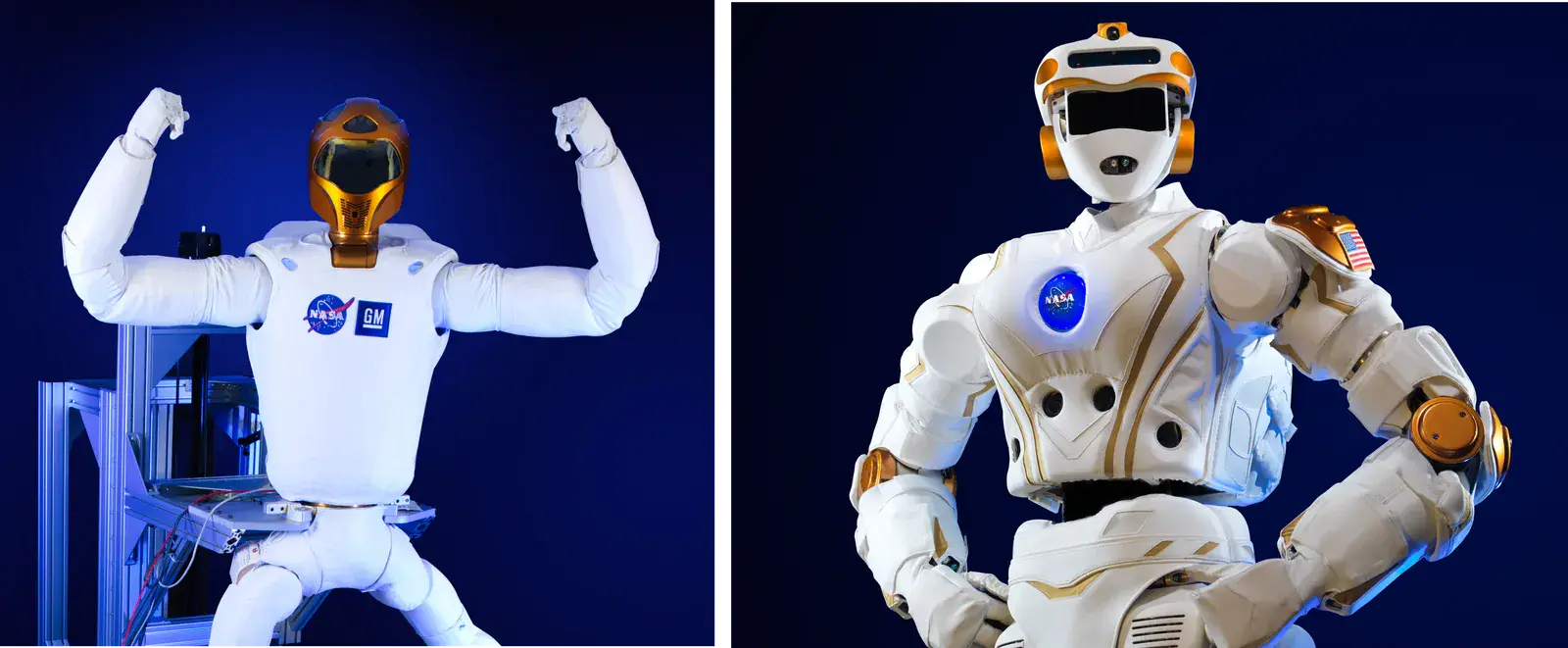
Sixteen people make up the team, and many developed two well-known humanoid robots. A humanoid robot has a body shape similar to a person. Robonaut 2 joined demonstrations on the International Space Station for seven years. Valkyrie was NASA’s first robot that walked on two legs. These employees now continue that earlier work as the Dexterous Robotics Team. The team supports several efforts, including plans for a Moon base, humanity’s first outpost on the Moon. It also works with private companies that need robotic tools for severe conditions and higher-risk jobs.
A major priority is iMETRO, a test facility at Johnson that programs and partners can use. It helps move robots developed on Earth toward exploration work under human supervision. That work includes moving supplies, maintenance, and scientific study. The site offers software tools, models of spacecraft and habitats, robots, and an outdoor rock yard. In one test, a robotic arm found a spacecraft hatch, turned the latch, and opened the door. The arm then shifted cargo bags from the hatch into a bin. For now, the focus is on technologies that can support people on the Moon. The same technologies could also apply to later travel to Mars. Their special role is machines operating in places built for people, or operating beside people.
Why does the team want robots to work with people in space instead of replacing them?
Adapted from NASA Technology.
Select Vocabulary or Quiz to practice.
Vocabulary
10 key words — tap a word for its meaning and an example
Quiz
11 questions