
One article a day, three levels your way.
Free graded English reading: every article comes in Easy, Medium and Hard, with listen-along audio. Vocabulary and quizzes are free with an account. Sign up free →
Longer sentences, more descriptive words (about B1)
A Safer Breathing Tube Made from a Desert Shrub
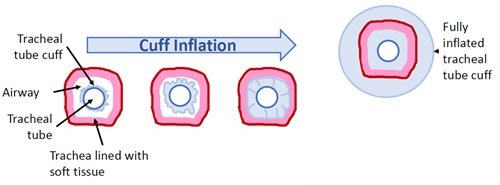
Scientists at the Agricultural Research Service (ARS), part of the U.S. Department of Agriculture, have developed a way to make a common medical procedure safer. The procedure is called endotracheal intubation, and doctors use it to keep a person's airway open and help them breathe. It is often used on patients who are unconscious or cannot breathe on their own during surgery or an emergency. In this procedure, a flexible tube is passed through the mouth or nose into the windpipe. Intubation can save lives, but it can also be dangerous for some patients. They may react badly to irritants and allergens, or they may get infections caused by bacteria. An estimated 8 to 28 percent of patients on mechanical ventilators develop ventilator-associated pneumonia, and some of these cases end in death.
A team at the U.S. Arid Land Agricultural Research Center in Maricopa, Arizona, has worked on this problem. The team is led by center director Katrina Cornish, who recently published an article about an improved breathing tube. The tube has a balloon cuff that inflates around it and seals against the trachea. Conventional cuffs are made from a plastic called polyvinyl chloride (PVC), but the new cuff is made from guayule latex instead. According to the study, the guayule latex cuff is allergen-safe and lowers the risk of allergic reactions. It also seals better against leaks than PVC cuffs and performs better in mechanical properties.
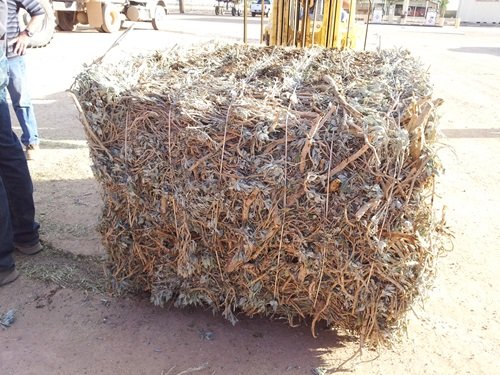
Guayule is a shrub that grows in the southwestern United States and northern Mexico. It can be a sustainable alternative to conventional rubber, which comes mainly from tropical rubber trees grown in Southeast Asia. Farmers harvest the shrubs like a fresh crop and bale them for transport to a local plant. There, the latex is separated from the rest of the material, much as cream separates from milk.
The new cuffs are designed to fit on the outside of existing PVC cuffs. They give patients with Type 1 latex allergies a safer option and lower the chance of reactions on contact. They also stop saliva that contains bacteria from leaking into the lungs. Cornish described the cuffs as a reliable, softer and safer choice for patients who need intubation. She said future studies could test how well the cuffs hold up against saliva and stomach fluids. Cornish also hopes that guayule farming could support valuable medical products like these cuffs. If healthcare providers adopt them, she said, the cuffs could save hospitals and patients tens of thousands of dollars each year and could prevent deaths from ventilator-associated pneumonia.
Why might a guayule latex cuff be a better choice than a PVC cuff for some patients?
Adapted from USDA ARS Research News.
Select Vocabulary or Quiz to practice.
Vocabulary
12 key words — tap a word for its meaning and an example
Quiz
7 questions