
One article a day, three levels your way.
Free graded English reading: every article comes in Easy, Medium and Hard, with listen-along audio. Vocabulary and quizzes are free with an account. Sign up free →
Longer sentences, more descriptive words (about B1)
What Is an Equinox?
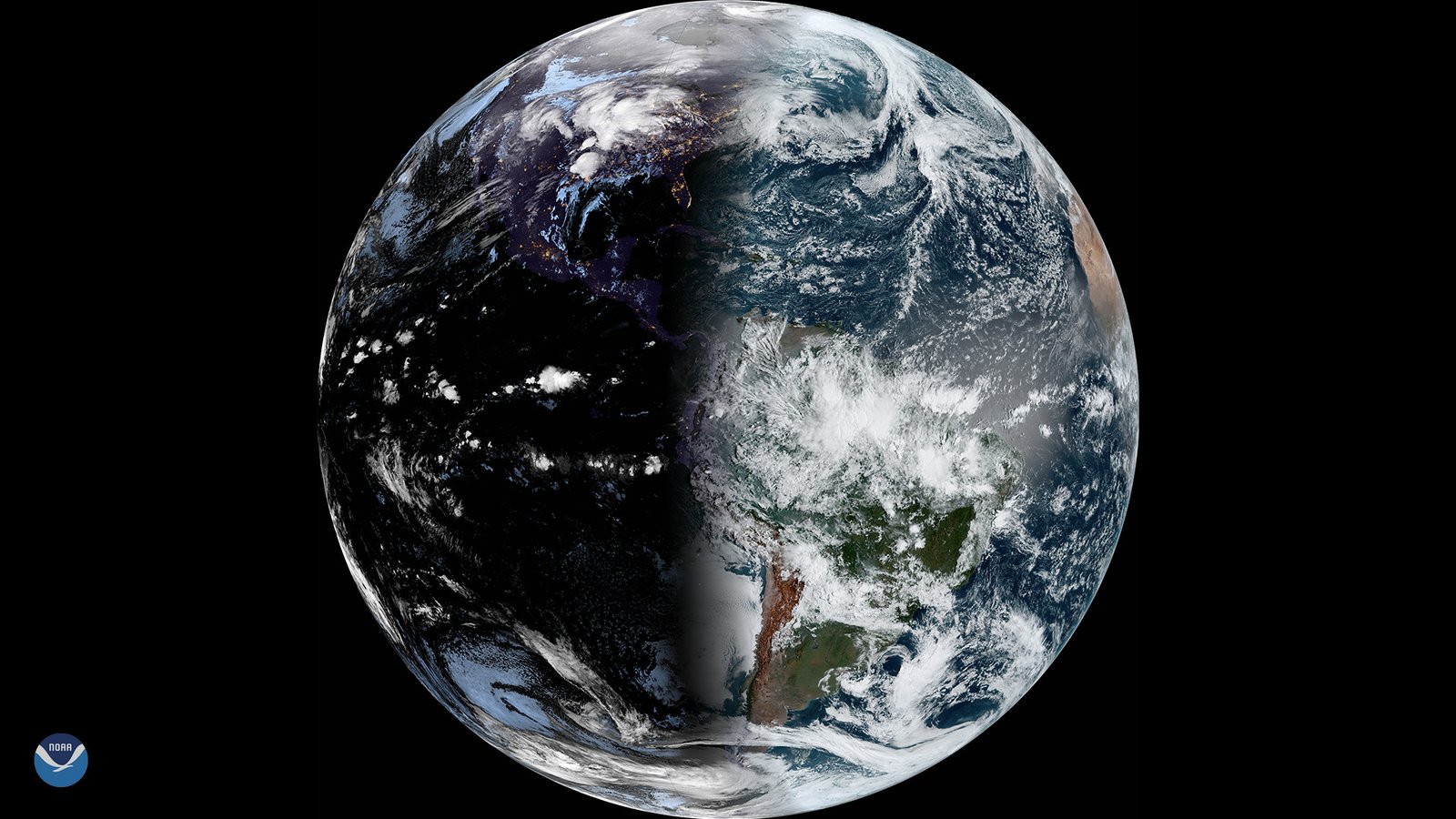
An equinox feels different depending on where you live. In some places it signals longer nights and gloomy weather, while in others it means milder temperatures and more hours of sunlight. People have watched for these moments for a very long time, and many ancient societies built observatories to record them. Today you do not need an observatory, because the dates appear on ordinary calendars twice a year.
The word equinox comes from Latin and joins the ideas of "equal" and "night." An equinox happens once in March and once in September. In 2026, the March equinox falls on March 20 at 14:46 UTC, and the September equinox falls on September 23 at 00:05 UTC. An equinox is the exact moment when the center of the Sun passes through the plane of Earth's equator. On that day, a person standing at the equator sees the Sun directly overhead at midday.
After the March equinox, the Sun's daily path moves farther north for everyone on Earth until the June solstice. Then the motion reverses, and the Sun starts moving south. It crosses the equator's plane again at the September equinox and keeps moving south until the December solstice. After that, it turns north once more. Because of this pattern, the March event is sometimes called the northward equinox, and the September event is called the southward equinox.
At an equinox, the Sun lights the Northern and Southern Hemispheres equally. These are also the only times when sunlight reaches both the North Pole and the South Pole together. Even so, day and night are not exactly the same length on the equinox. The date when they are equal depends on latitude, and it may fall several days before or after the equinox. One reason is that the Sun is a sphere, not a single point of light, and the atmosphere bends the edge of its disk as it rises and sets. This adds several minutes of daylight to each day, so the line between day and night is very close to equal but not perfect.
Equinoxes are also connected to the change of seasons. In March, people in the Northern Hemisphere welcome the longer, warmer days of their spring equinox, also called the vernal equinox. At the same time, people in the Southern Hemisphere notice shorter days and longer, cooler nights as their autumn equinox begins. In September, these experiences are reversed.
Why are day and night not exactly the same length on the equinox, even though the name means "equal night"?
Adapted from NASA Solar System.
Select Vocabulary or Quiz to practice.
Vocabulary
11 key words — tap a word for its meaning and an example
Quiz
9 questions