
One article a day, three levels your way.
Free graded English reading: every article comes in Easy, Medium and Hard, with listen-along audio. Vocabulary and quizzes are free with an account. Sign up free →
Longer sentences, more descriptive words (about B1)
SR-1 Freedom: NASA's Nuclear-Powered Spacecraft Moves Forward
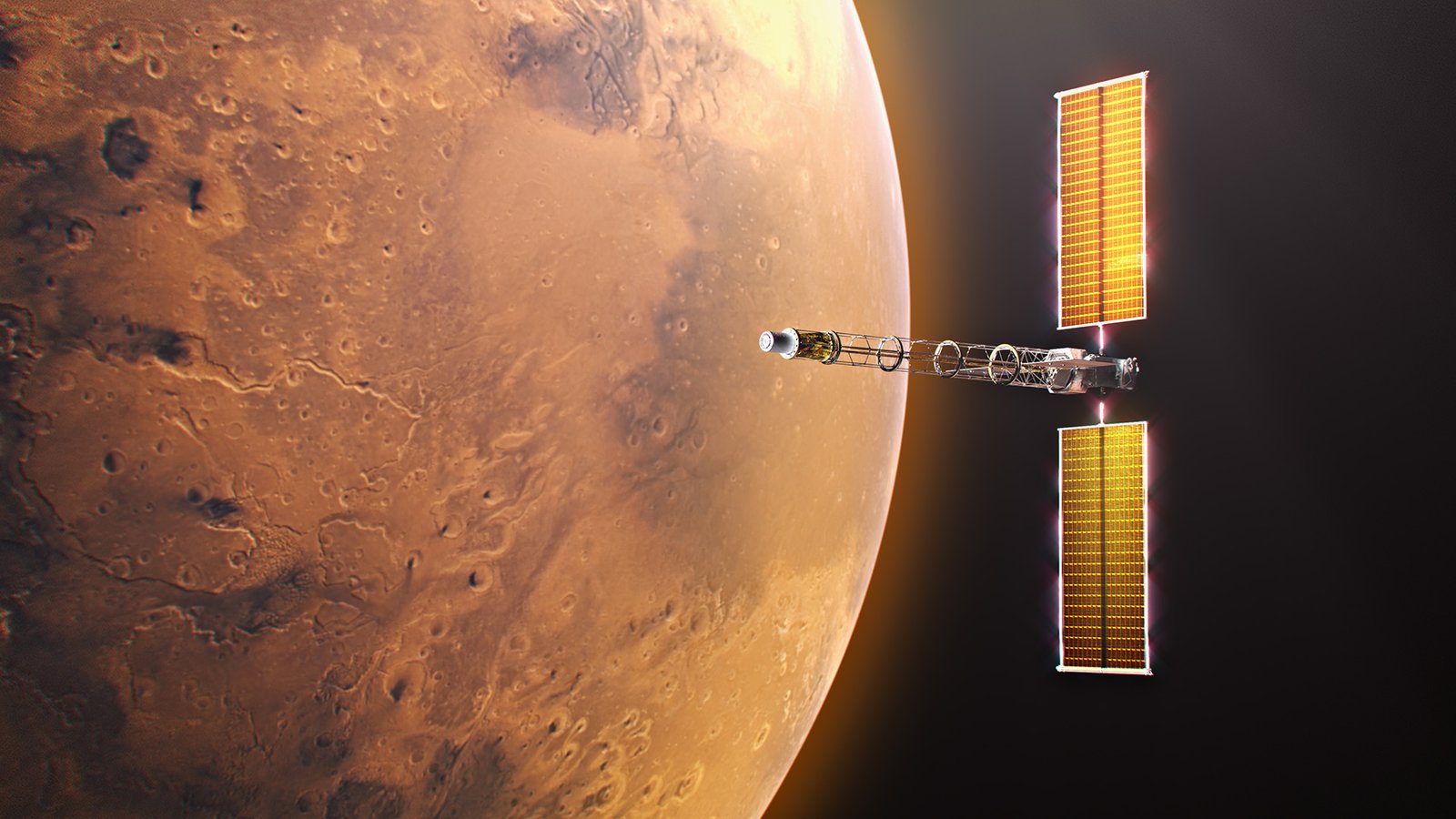
NASA is building a new spacecraft called Space Reactor-1 (SR-1) Freedom. It is planned to be the first spacecraft powered by nuclear fission to travel beyond Earth's orbit, heading for Mars and places even farther away. Nuclear fission is the process of splitting atoms to release energy. The main purpose of SR-1 Freedom is to show how nuclear electric propulsion, a way of moving a spacecraft using electricity made from nuclear power, works in deep space. Recently, NASA and its partners agreed on several contracts to speed up work on the spacecraft's most important part, the nuclear power module.
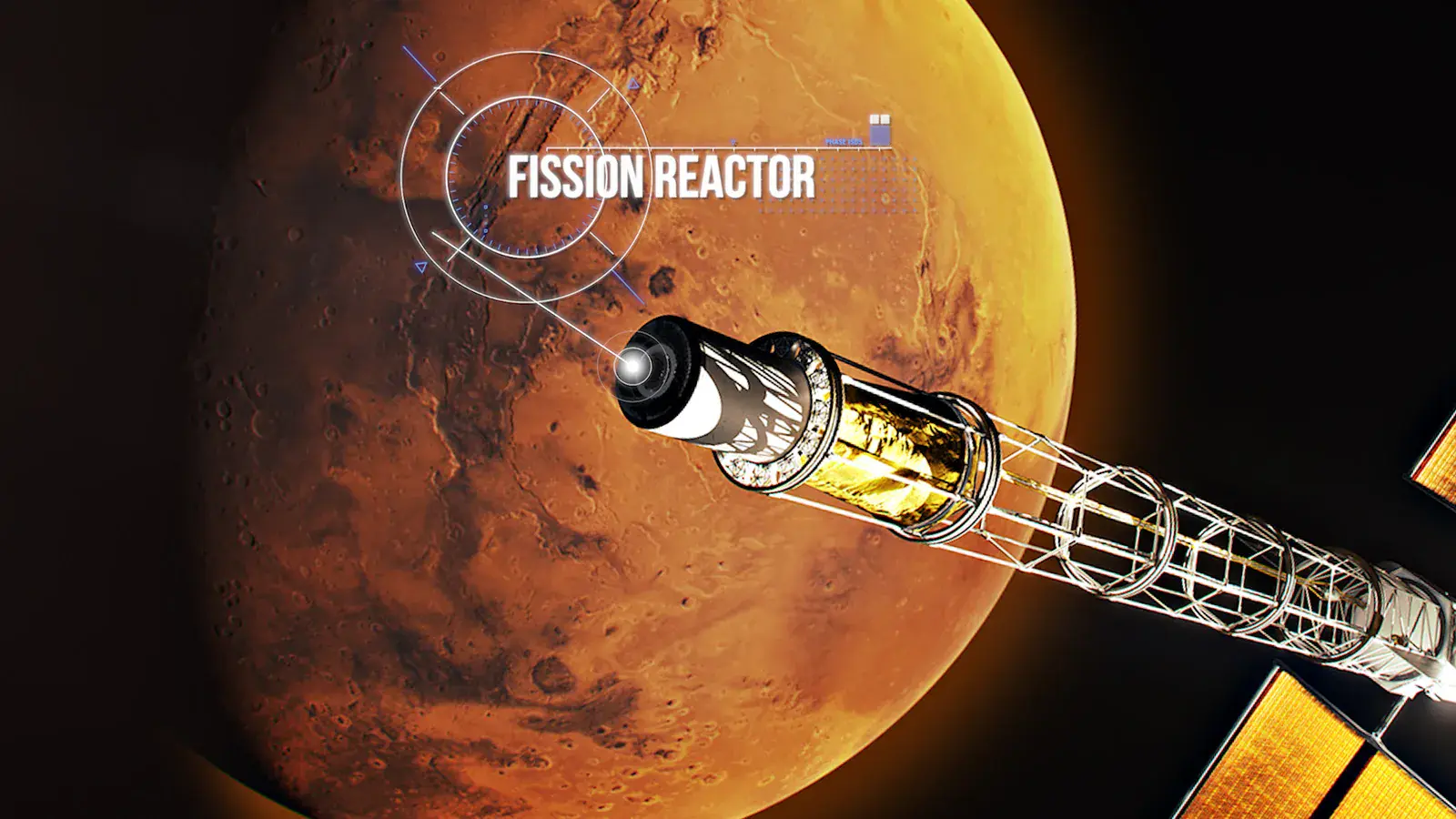
According to Steve Sinacore, the program director for SR-1 Freedom, these agreements reduce technical risk and help the team stay on track for a launch in 2028. He also said they improve cooperation among the partners and could lead to technology for future nuclear projects in space. The power module has two main parts that different organizations are building. A company called Sierra Lobo will supply the power conversion system, which turns heat from the reactor into electricity for the spacecraft's engines. Meanwhile, the Department of Energy's Idaho National Laboratory is designing and building the reactor itself, and the two parts will then be joined together.
Because the spacecraft uses nuclear power, safety is a major concern. NASA and the Department of Energy say they are following strict safety measures, including reviews by both agencies and constant oversight from a NASA safety officer. The design process also looks carefully at possible dangers and failures. In addition, the reactor will stay switched off until the spacecraft has left Earth's orbit.
SR-1 Freedom is scheduled to launch in late 2028 with a science mission called SkyFall. This mission includes three helicopters based on the design of Ingenuity, an earlier Mars helicopter. They will collect scientific data, test how exploration areas on Mars could work, and search for possible sources of water. NASA expects the mission to prepare the way for deeper space exploration and newer nuclear power systems. In the future, such systems are meant to keep NASA's Moon Base running during long periods of darkness and in places where sunlight cannot provide enough power.
Why do you think NASA wants to use nuclear power instead of only solar power for some space missions?
Adapted from NASA Glenn Research Center.
Select Vocabulary or Quiz to practice.
Vocabulary
11 key words — tap a word for its meaning and an example
Quiz
7 questions